
Daggett County Divorce Records Search
Daggett County divorce records are kept by the Eighth District Court in Manila, Utah. Manila is the county seat and the only incorporated town in Daggett County. The court clerk maintains case files, divorce decrees, and related documents going back to 1918. You can search Daggett County divorce records in person at the courthouse or use the Utah Courts online system. This guide explains how to find the records you need and who to contact when searching Daggett County.
Daggett County Quick Facts
Daggett County District Court
The Eighth District Court in Manila handles all divorce cases filed in Daggett County. The court clerk stores every case file and can provide copies of decrees, petitions, and other court documents. Daggett County is the least populous county in Utah, so the court office is small. Call ahead before visiting to make sure staff are available to help you.
Daggett County was named for Ellsworth Daggett, the first surveyor-general of Utah. The county sits in the far northeastern corner of the state near the Wyoming border. Manila is a small town close to Flaming Gorge Reservoir. Despite the remote setting, the Eighth District Court maintains records going back to 1918 for Daggett County divorces.
The official Daggett County website at daggettcounty.org provides general county information. For court-specific records, the Utah Courts directory at utcourts.gov lists current hours and contact details for the Eighth District Court serving Daggett County.
The lead-in below links to the official Daggett County site, which serves as the primary local resource for county office information including the clerk's office that works alongside the court.
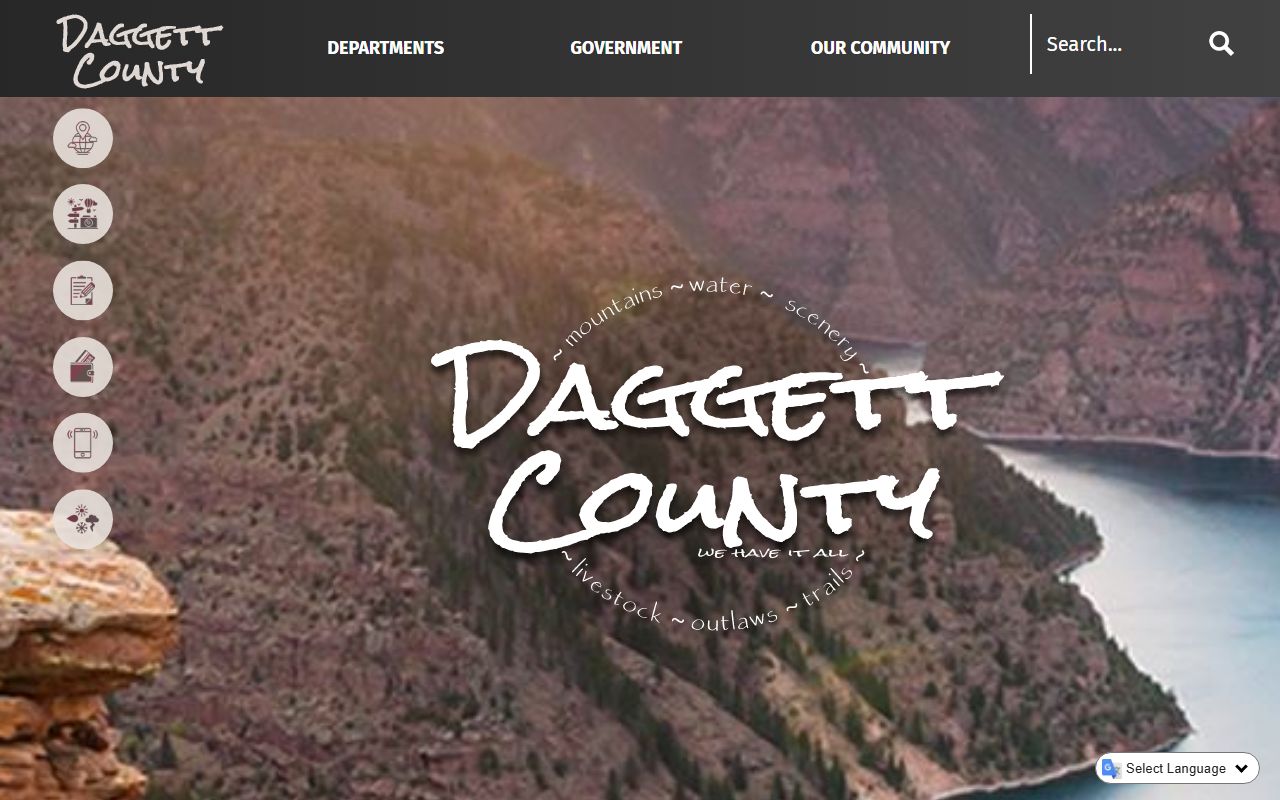
This image shows the Daggett County offices in Manila, where the County Clerk and court staff assist residents with record requests and filings.
| Court |
Eighth District Court 95 North 100 West Manila, UT 84046 Phone: (435) 781-9300 |
|---|---|
| Hours | Monday through Friday, 8:00 AM to 5:00 PM |
| Website | utcourts.gov |
Daggett County Clerk and Divorce Records
The Daggett County Clerk office is separate from the district court but works closely with the court on record-keeping. The clerk holds county-level records and can help direct you to the right office for Daggett County divorce records. The mailing address for the County Clerk is PO Box 219, Manila, UT 84046. The phone number is 435-784-3154.
For older Daggett County divorce records, reaching out to the county clerk first can help you determine whether the documents you need are at the courthouse or have been transferred to another repository. The Utah State Archives also holds some older records from counties across Utah, including Daggett County.
Note: Always call the Daggett County Clerk at 435-784-3154 before making the drive to Manila, as office hours can vary for this small county office.
How to Search Daggett County Divorce Records
Searching for divorce records in Daggett County can be done in several ways. The Utah Courts online portal, known as XChange, lets you search for case information using a party name or case number. Basic case details are free to view. If you need actual documents or certified copies, you must contact the Eighth District Court directly or visit the courthouse in Manila.
To search Daggett County divorce records online, go to the Utah Courts website at utcourts.gov and use the case search tools available there. You can find case numbers, filing dates, and parties involved in Daggett County divorce cases. The system covers records from courts across the state, including the Eighth District Court. For older records that may not be in the online system, an in-person visit or written request to the clerk's office is the best approach.
When visiting the Eighth District Court in Manila, bring the following:
- Full name of one or both parties
- Approximate year the divorce was filed
- Case number if you have it
- A valid photo ID
Genealogy researchers looking for Daggett County divorce records can also check the resources at FamilySearch. That site has digitized records and indexes that can help locate older Daggett County divorce cases. The Utah Division of Archives at archives.utah.gov is another option for historical records from Daggett County.
Divorce Certificates and Vital Records in Daggett County
The Utah Office of Vital Records issues divorce certificates for divorces that occurred in Utah, including Daggett County. A divorce certificate is a shorter document than a full court record. It confirms the divorce took place and shows the names of both parties and the date and county of the divorce. It does not include property or custody terms.
The Utah Office of Vital Records at vitalrecords.utah.gov holds divorce records for the state of Utah. The page below from that office shows how to request a vital record certificate related to a Daggett County divorce case.
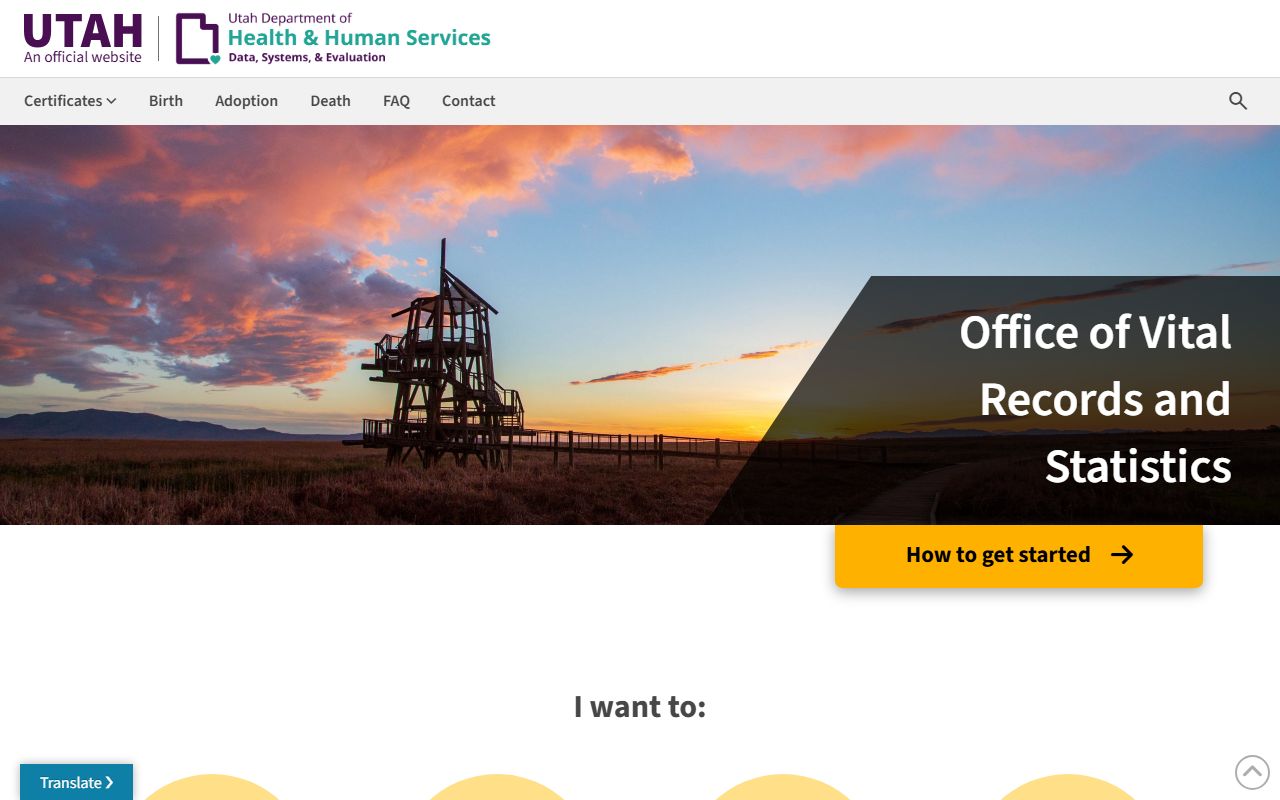
Utah Vital Records processes requests by mail, online through VitalChek, or in person at their Salt Lake City office, making it accessible to Daggett County residents who cannot travel easily.
The state vital records office has divorce certificates for cases from 1978 through 2010 on file. For Daggett County divorces outside that date range, the Eighth District Court clerk is your primary source. You can also order a vital record certificate through the link at vitalrecords.utah.gov. The CDC also maintains a resource on where to write for Utah vital records at cdc.gov, which can help Daggett County residents locate the right office.
Note: A divorce certificate from the state vital records office is not the same as a certified copy of the decree from the court. Many legal transactions require the full decree, so confirm which document you need before ordering.
Public Access to Daggett County Divorce Records
Daggett County divorce records are public records under Utah law. The Government Records Access and Management Act, found at Utah Code Title 63G, Chapter 2, governs how public records are accessed in Utah, including Daggett County. Anyone can request to view divorce records. You do not need to be a party to the case.
Some parts of a divorce file may be restricted. Financial records and information about minor children can sometimes be sealed or redacted. The clerk will tell you which parts of a Daggett County divorce file are open to the public when you make your request. For most requests, the bulk of the case file is available to the public.
The Utah State Archives at archives.utah.gov preserves older government records from across the state. The image below represents the archive's role in maintaining historical divorce records from Utah counties like Daggett.
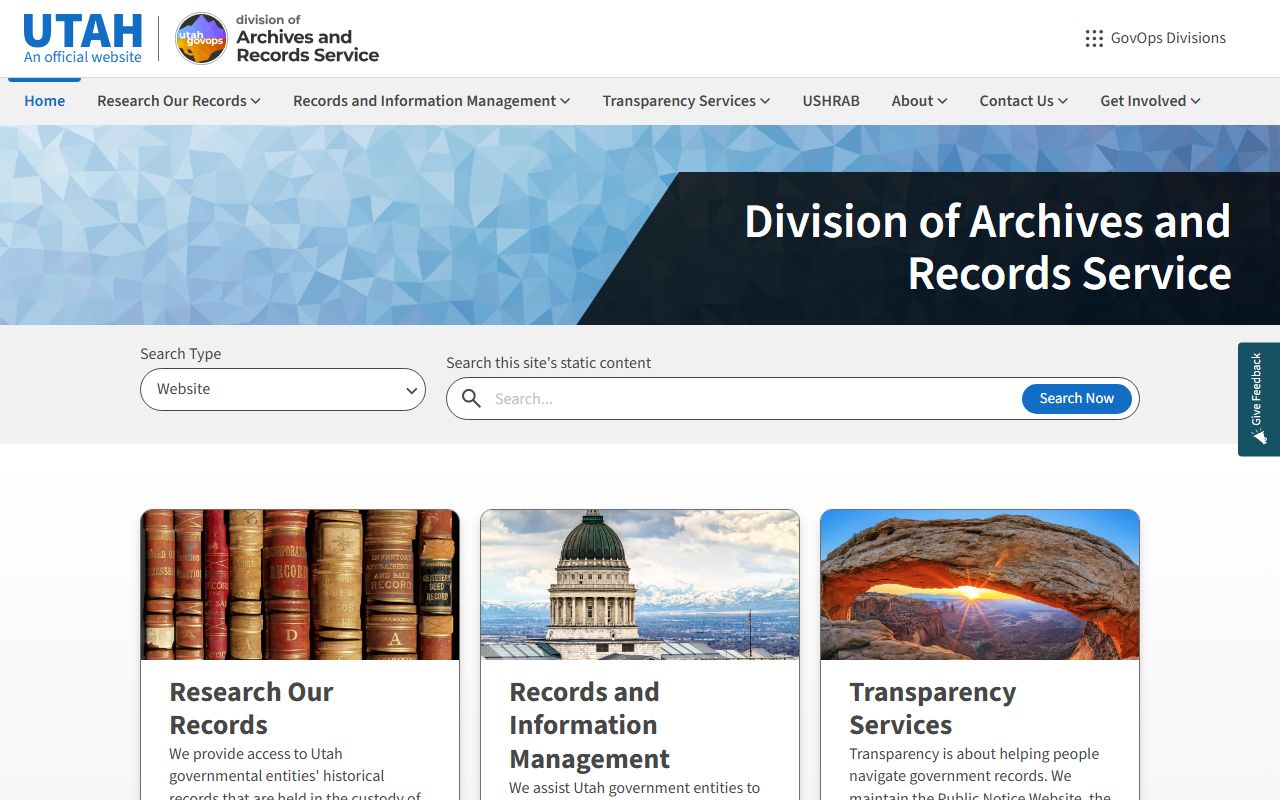
The Division of Archives helps researchers and the public locate older records that may no longer be held at county courthouses, including records from Daggett County's history.
Legal Resources for Daggett County Divorce Cases
Resources for people dealing with a divorce in Daggett County are limited locally, but state-level help is available. Utah Legal Services provides free or low-cost legal assistance to qualifying residents across Utah. Visit utahlegalservices.org to see if you qualify for help with your Daggett County divorce case.
The Utah Courts self-help center at utcourts.gov/en/self-help has forms, guides, and instructions for filing a divorce in Daggett County without an attorney. The self-help tools are designed for people handling their own cases. Daggett County residents can download forms, review step-by-step guides, and find answers to common questions about the divorce process in Utah's Eighth District Court.
Nearby Counties
Daggett County borders several other Utah counties. If you are not sure which county handles your divorce case, check the address where you live. You must file in the county where you reside for the court to have jurisdiction.